Biochar Scale-Up Project
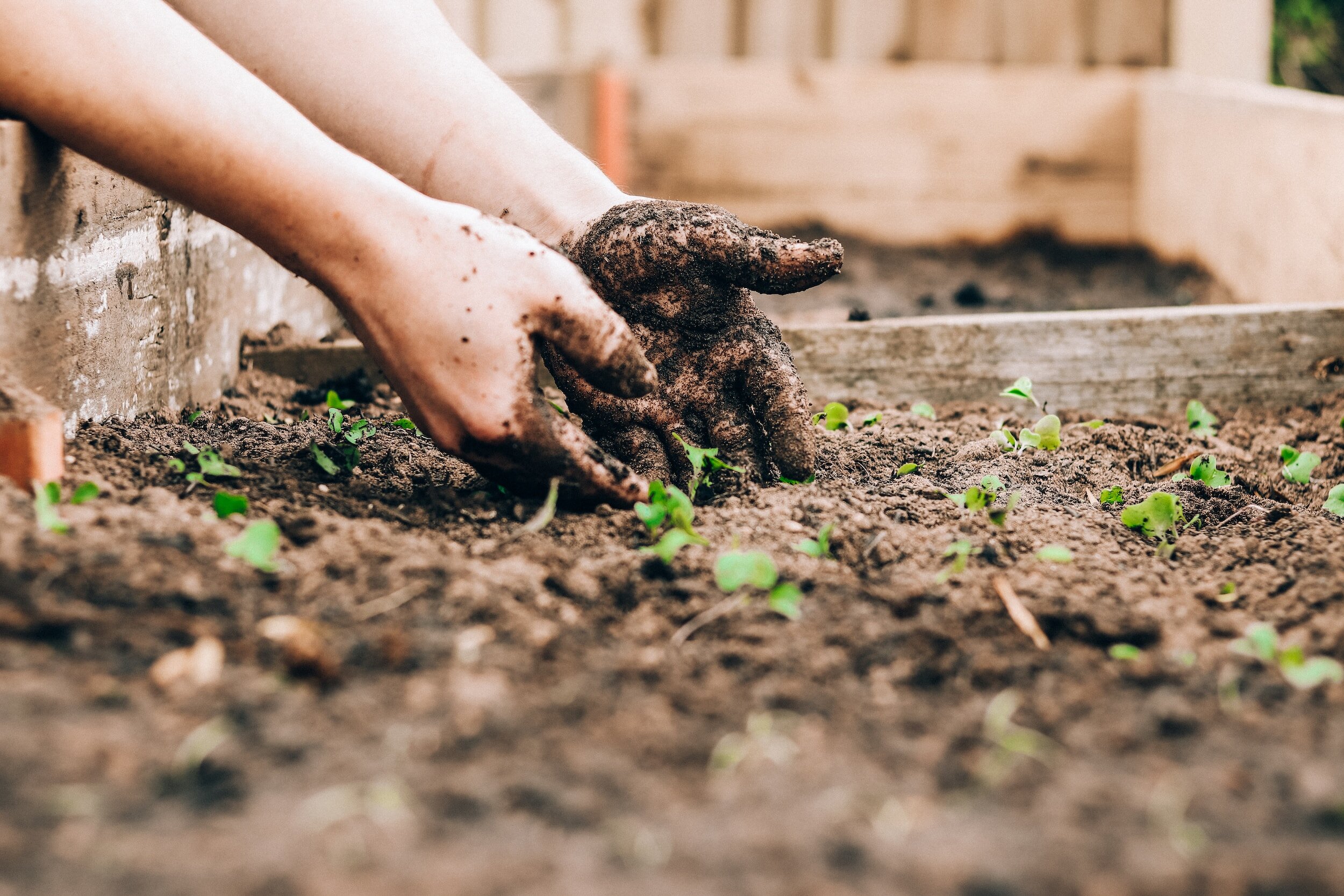
In collaboration with Restoration Fuels, Skagit Soils, and WSU Extension, KCT provides growers with biochar-enhanced compost for application in field trials to explore its benefits.
-
Why Biochar?
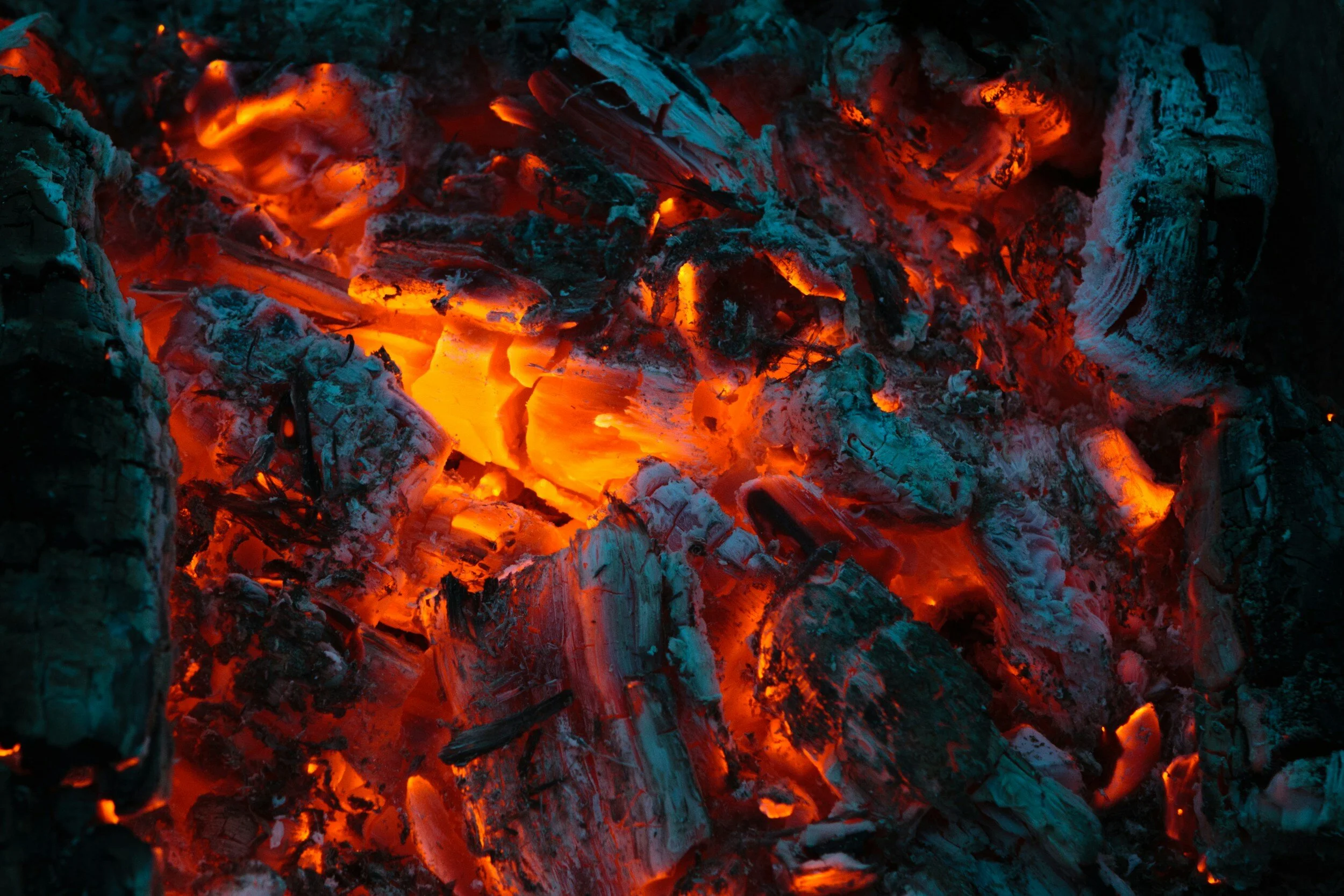
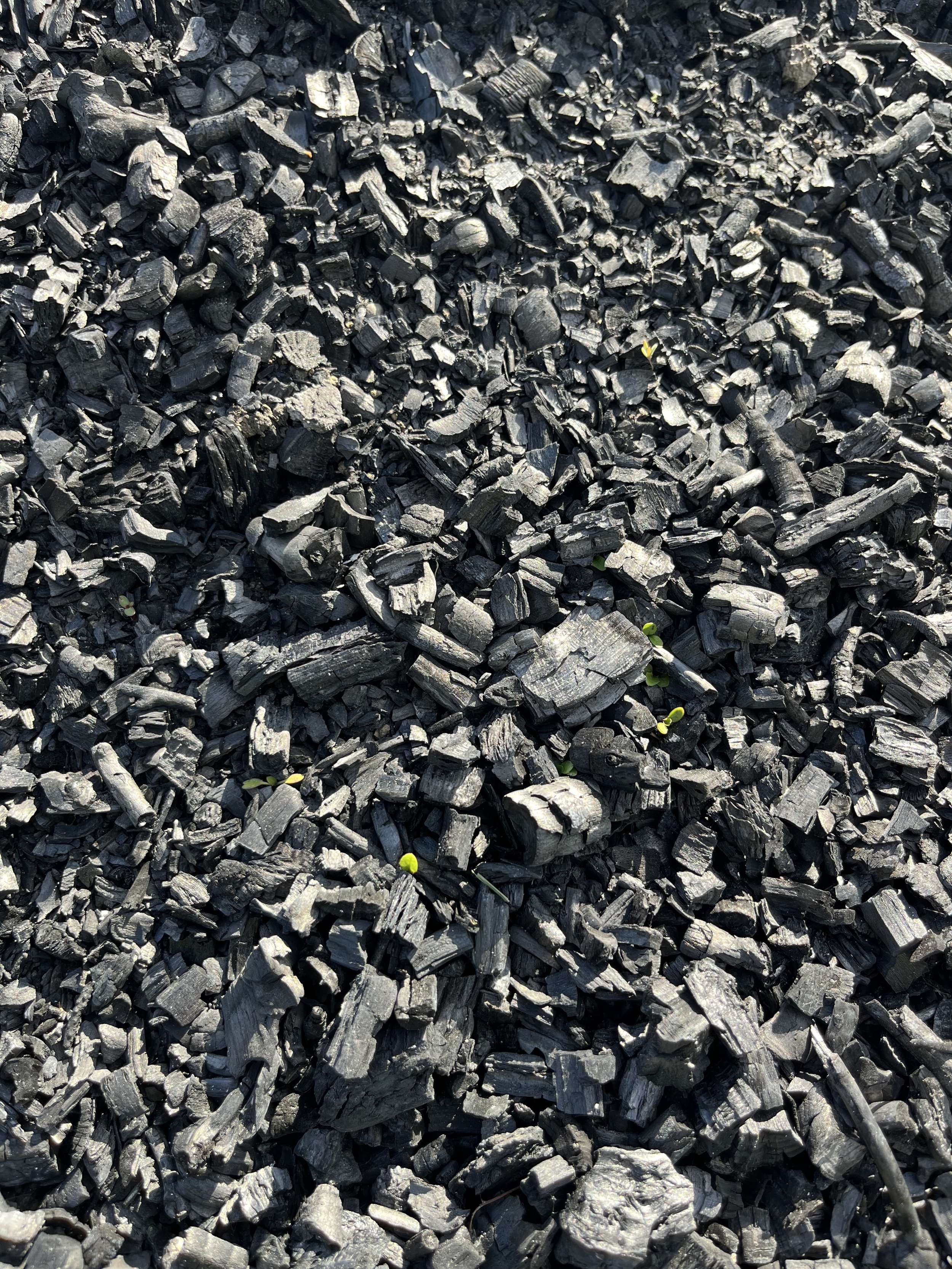
Biochar is a form of charcoal created by burning residual biomass in a low-oxygen environment using a process called pyrolysis. The resulting biochar has a very porous structure comprised of stable carbon. When composted and applied in soils, the pores in the biochar act like a sponge, storing water, carbon, and other nutrients while facilitating a healthy soil microbiome and providing a habitat for other beneficial soil organisms. Biochar gradually releases these elements to feed growing plants and helps reduce the need for irrigation, fertilizer, and other inputs.
-
Why Here?
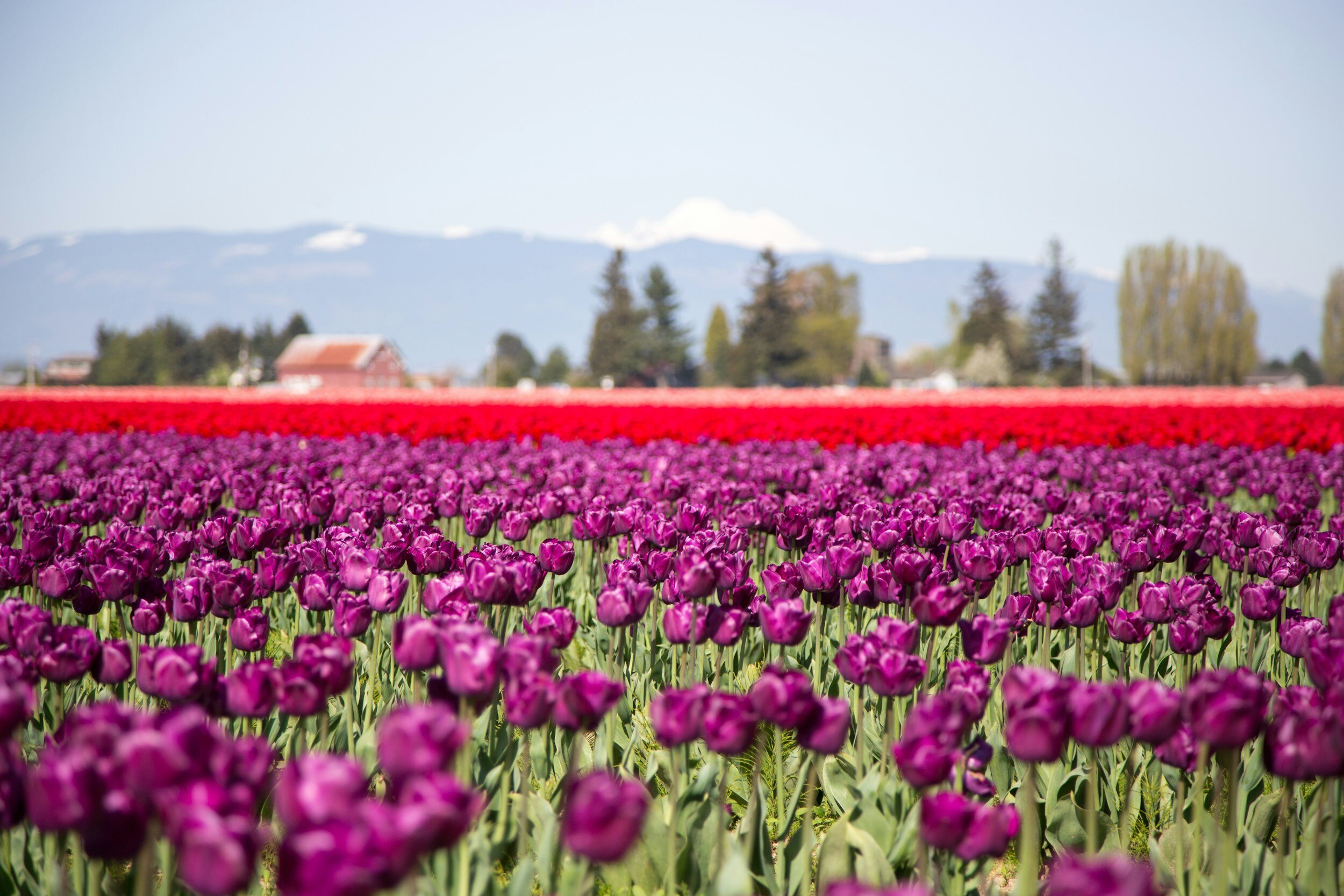
Although hundreds of peer-reviewed scientific journal articles cover biochar's unique properties and benefits, little research has been conducted to assess its effects on soils in northwest Washington. Our region is uniquely positioned to take advantage of biochar due to our abundance of suitable biomass feedstocks, including forestry residues, particularly those resulting from hazardous wildfire fuel reduction.
-

Why Now?
We aim to accelerate the local adoption of natural climate solutions that revitalize rural economies, regenerate the land, reduce emissions, and sequester carbon. Biochar supports all of these goals. To date, our work has focused on the low-tech production of biochar from biomass residuals and applying biochar to forests and farms in Whatcom, Skagit, and Island counties together with our local Conservation Districts. The demand pull from this biochar scale-up project will help catalyze a local biochar supply chain in NW Washington.
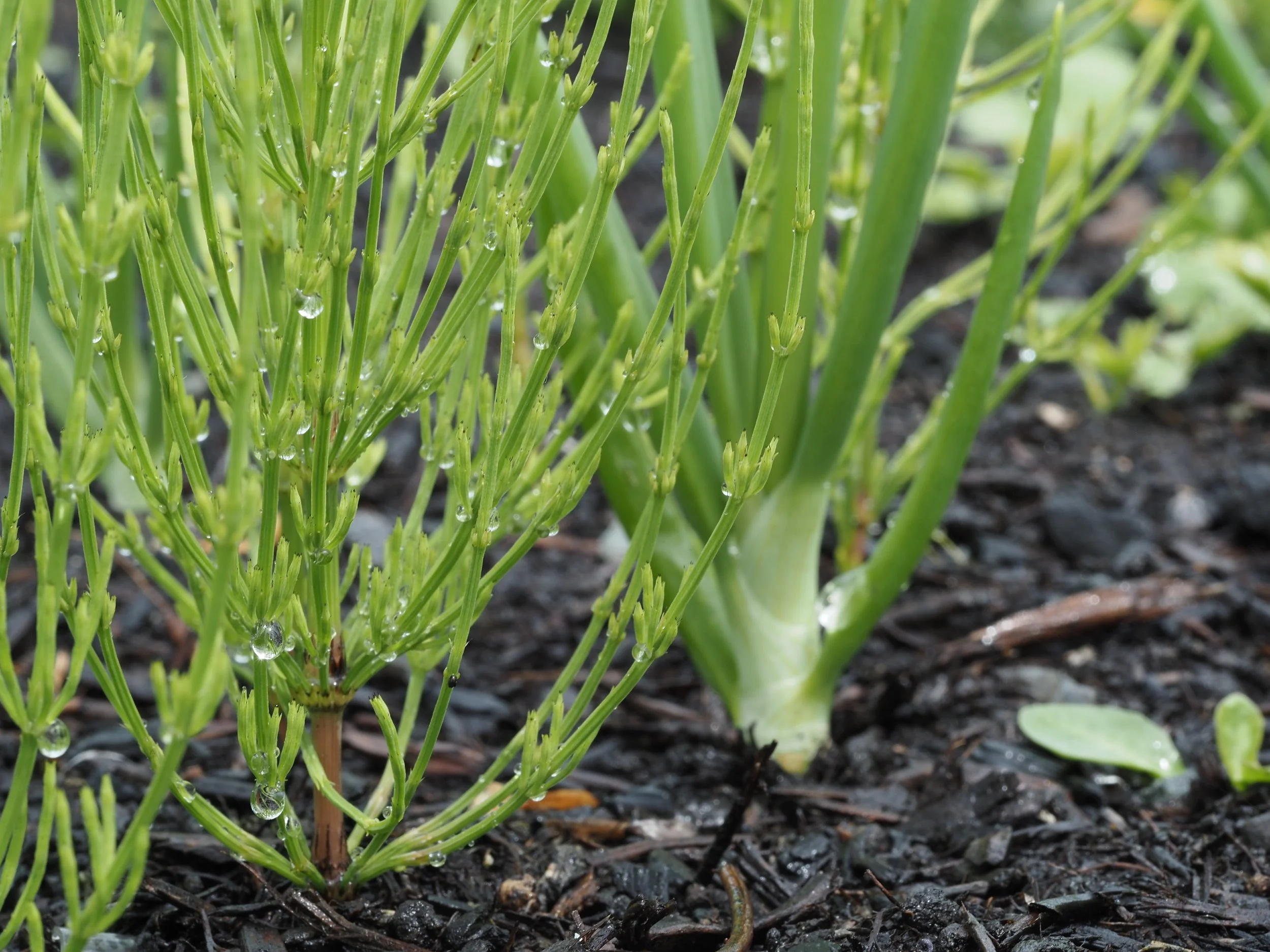
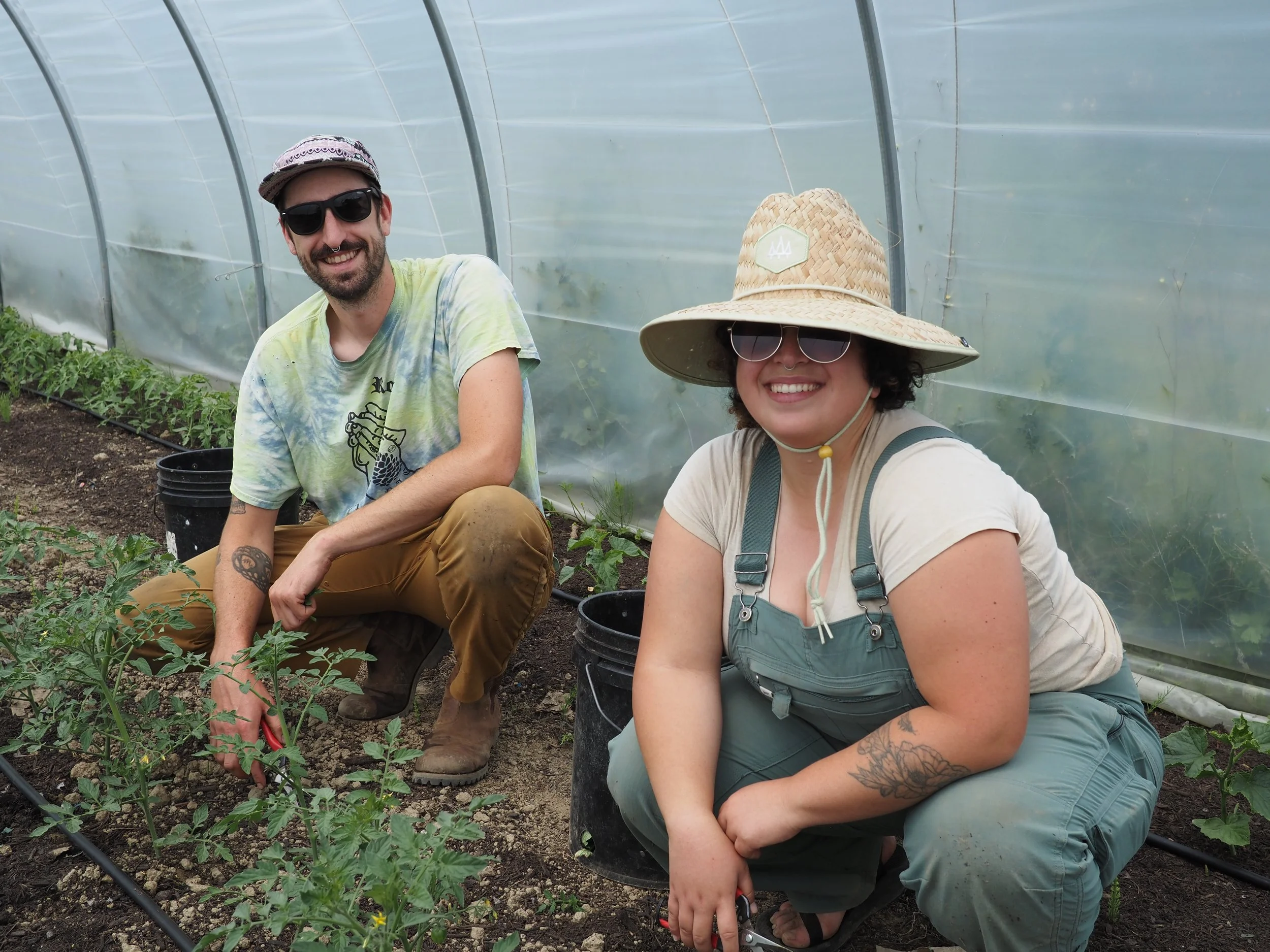
Photos from the Field





Project Phases
-
The biochar for this project, made of conifer wood residues, was provided at no cost by Restoration Fuels, a high-tech biochar producer in John Day, Oregon. This biochar was mixed with green-waste at Skagit Soils composting facility and will spend six to eight weeks co-composting with this organic material, resulting in biochar-enhanced compost (also known as co-composted biochar or COMBI). During the co-composting process, beneficial microbes inoculate the biochar, turning the mix into a nutrient-rich soil amendment.
-
Supported by WSU Extension, Kulshan Carbon Trust will work with growers to conduct field trials that measure the efficacy of biochar-enhanced compost in agricultural soils. We will conduct controlled experiments to assess the extent to which biochar-enhanced compost supports soil health through key indicators, including crop yield, soil carbon, water retention, and nutrient transfer.
-
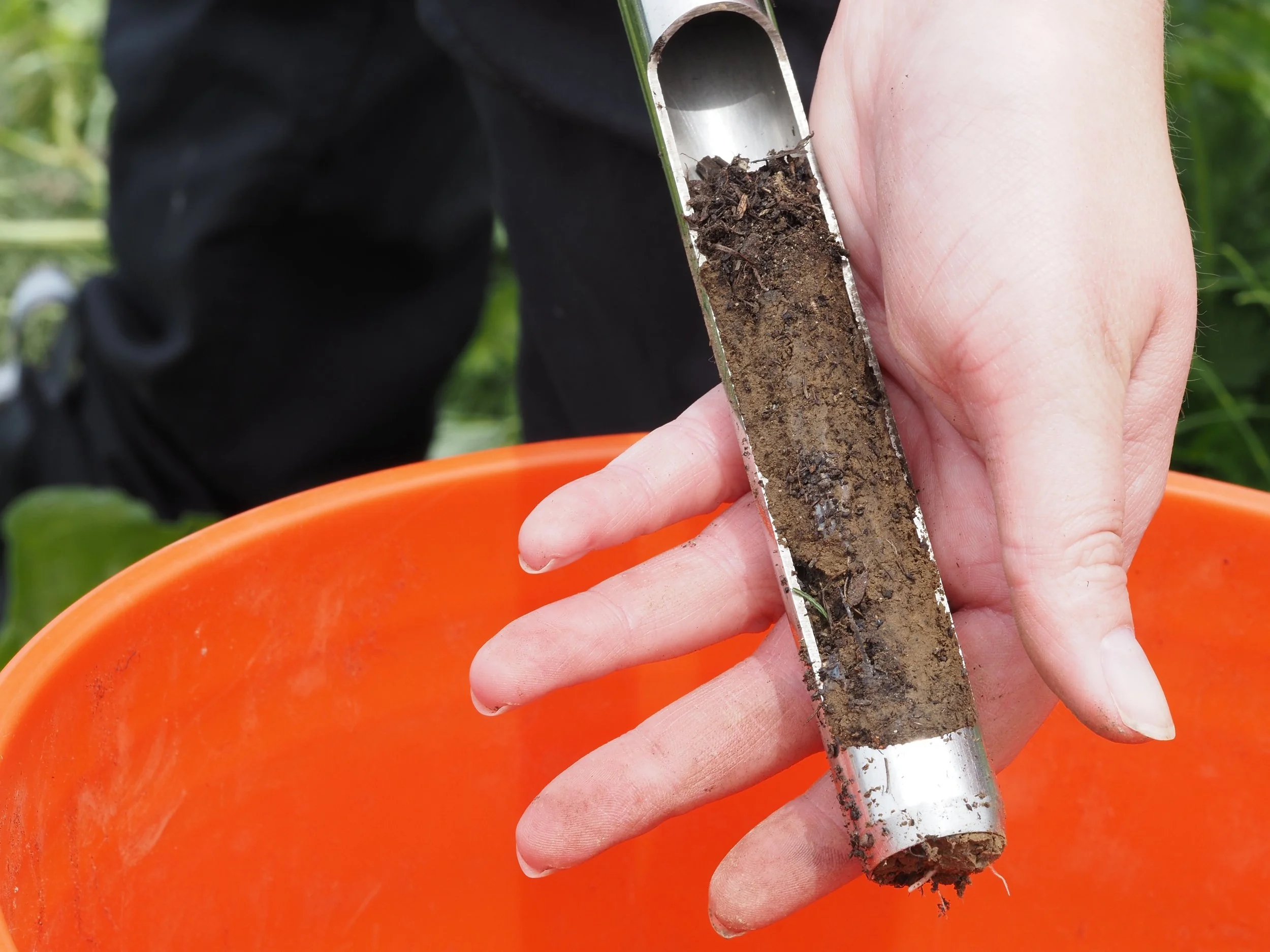
Kulshan Carbon Trust will conduct pre-trial surveys and interviews to select candidates, and work closely with chosen growers to design trials that fit within the scale and practices of their operation. Biochar-enhanced compost will be applied once before planting on the designated test plot, while the control plot will follow normal farm operations. Soil samples will be collected at three intervals over the course of the year, and qualitative and quantitative results will be recorded. We aim to make trial participation as accessible as possible by providing technical assistance and field support. NRCS Code 336 may subsidize biochar-compost. We have also established a participant discount with Skagit Soils, allowing us to offer biochar-enhanced compost for $17.50/cubic yard.
-
We intend to remain in contact with trial participants and seek additional funding to extend trial plot monitoring efforts beyond one year, allowing us to explore the long-term impacts of biochar-enhanced compost. Research suggests that the most significant improvements in soil fertility and crop yield are seen 2-5 years after biochar application. Kulshan Carbon Trust (KCT) intends to expand upon this trial to support other regenerative agriculture practices, in addition to biochar application. This initiative aims to promote sustainable land management, carbon sequestration, and ecosystem resilience throughout the Northwest Washington bioregion.
Biochar-Enhanced Compost Details
Watch Skagit Soils prepare biochar-enhanced compost.
-
“For over three decades, Skagit Soils Inc. has dedicated itself to recycling green and organic waste across Skagit, Whatcom, Snohomish Island, and San Juan Counties. Our composting facility effectively diverts organic material from landfills, turning it into high-quality compost. We proudly offer a variety of products, including compost, biochar-infused compost, general soil mix, mulch, beauty bark, gravel, and more, to meet our community’s needs. We are a proud member of the U.S. Composting Council’s Seal of Testing Assurance Program, where we submit our compost for regular analysis and testing. At Skagit Soils Inc., delivering quality products and exceptional customer service is our top priority, establishing us as a trusted and consistent name in sustainable waste management and soil remediation.”
Read about their approach to the compost process here.
-
The document linked below pulls information from a variety of sources and provides context and research backed best practices for the production of biochar-enhanced compost.
-
FAQs
What’s the goal of the project?
The project aims to measure the efficacy of co-composted biochar use in NW Washington soils by engaging a diverse range of growers, applying high-quality biochar-enhanced compost to agricultural fields, and measuring soil health and crop yield outcomes
What role do historically underserved communities play?
Our grant proposal specifically highlights our intention to work with historically underserved growers to support their participation in our field trials. We plan to cultivate long-term relationships with these growers to explore alternative revenue streams while improving sustainability practices.
What do you see as the future of biochar in our bioregion?
The future of biochar in Northwest Washington holds great promise for enhancing soil health, sequestering carbon, managing organic waste, and promoting sustainable agriculture and forestry practices. Through the utilization of biochar in agricultural settings, the region can improve soil health and productivity, and reduce greenhouse gas emissions from wildfires and organic waste decomposition . Use of biochar in conjunction with forest fuel reduction practices have the potential to mitigate wildfire risks and foster a circular economy model. Collaboration between stakeholders and ongoing research and innovation will be key in unlocking the full potential of biochar to address environmental challenges and promote resilience in the bioregion.