Building Alliances for Natural Climate Solutions.

We are on a mission to conserve and sequester carbon through collaborative natural climate solutions in Northwest Washington.

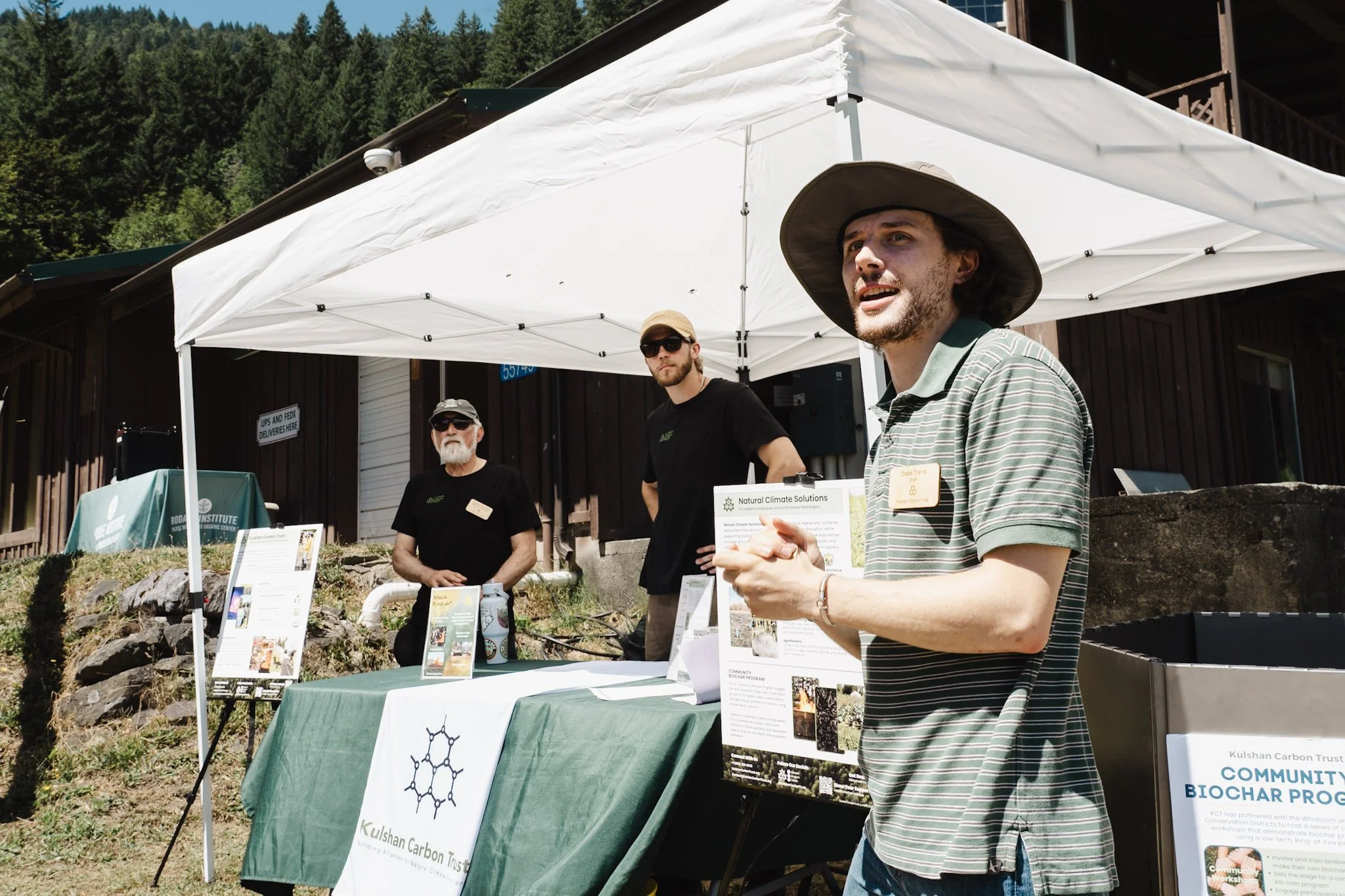

We aim to conserve the carbon contained in our natural systems – like forests, soils, and wetlands – by working with stakeholders to develop friendly, durable agreements that reward actions promoting climate resilience and securing ecological co-benefits. Our work involves connecting people in local communities with carbon markets that offer financial incentives for safeguarding carbon.
Protect Carbon in Place.

We work with local landholders to connect them with the know-how, financial resources, suppliers, and workforce they may need to turn their land into a ‘carbon farm’ by pulling carbon out of the atmosphere and storing it in plants and soils with natural climate solutions – like agroforestry, biochar, ecological forestry, and regenerative agriculture.
Cultivate Carbon.

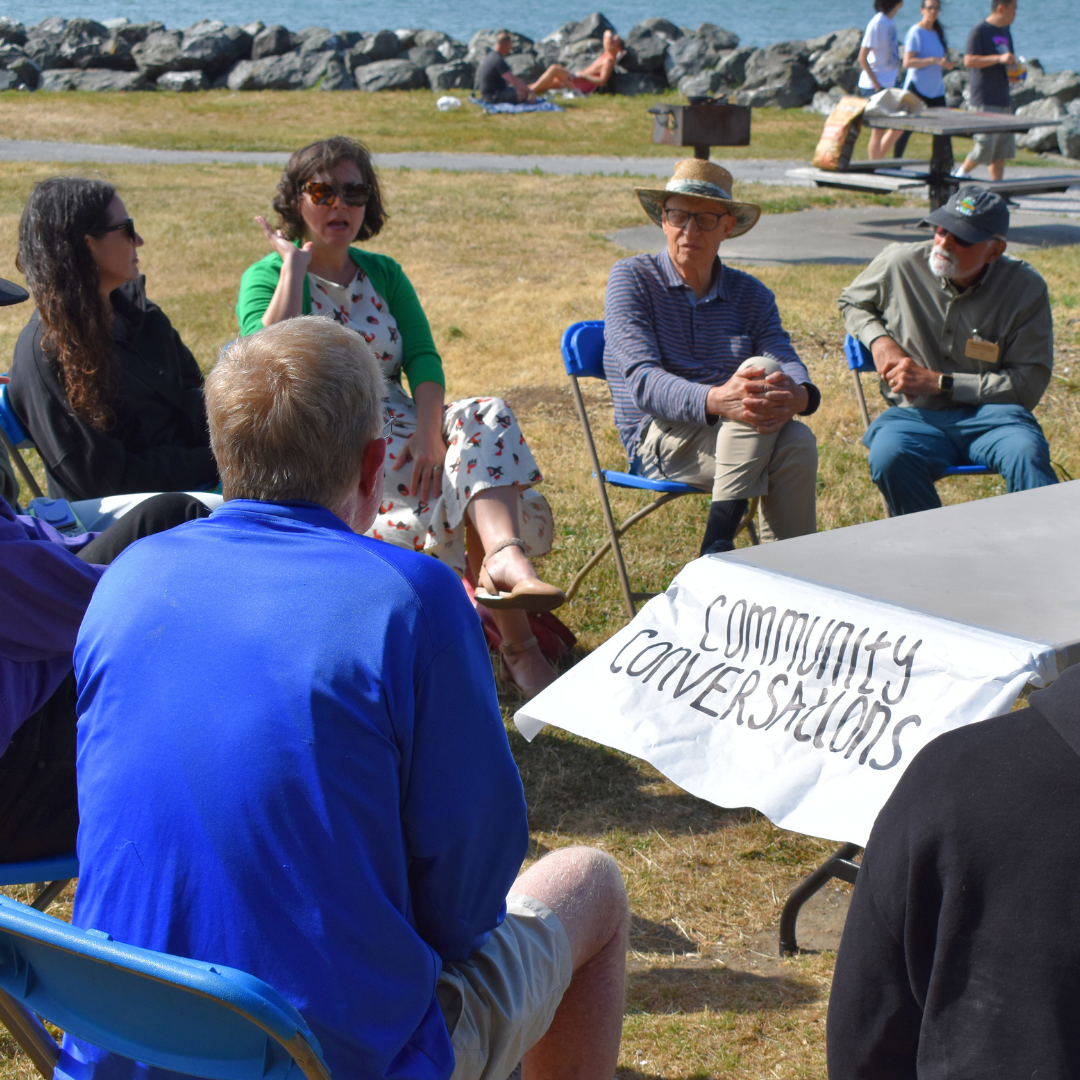
We act as a hub for local landholders, organizations, businesses, community leaders, scientists, practical experts, and other stakeholders to come together, identify common interests, combine forces, and exchange resources to regenerate degraded ecosystems, revitalize our communities, boost local economies, create jobs, and help adapt to climate disruption.
Take Action Together.
KCT at Work
We work with people in NW Washington to design, develop, and implement natural climate solutions by connecting local knowledge, technical & practical assistance and financial markets.









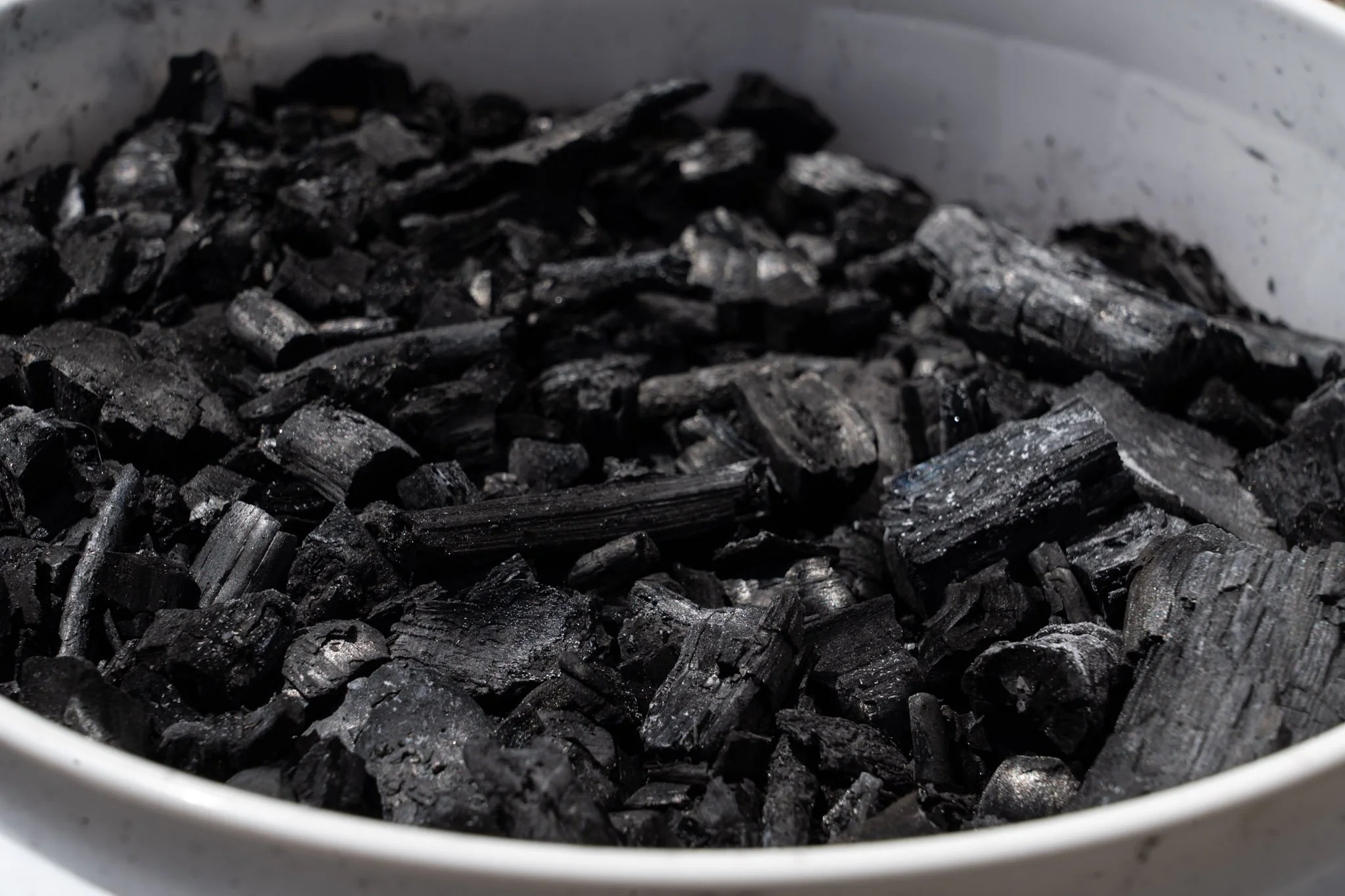
Biochar
Our Way to a Greener Future
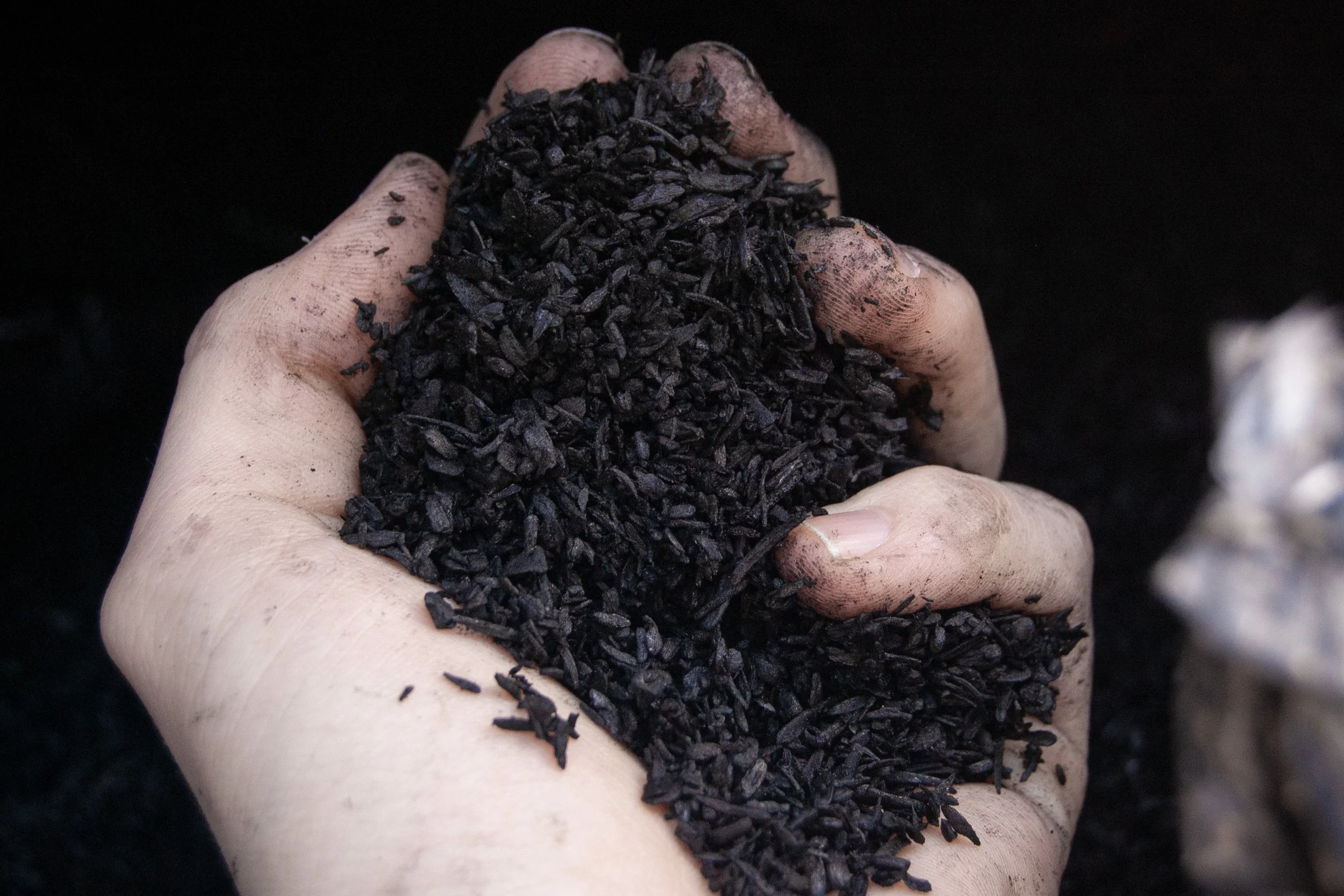
Producing biochar at scale is challenging due to the high costs of large facilities and the intense collaboration required for small-scale pyrolysis, with current market prices falling short of sustaining these efforts. To bridge this gap, Kulshan Carbon Trust proposes creating place-based eco-credits that value biochar's ecosystem services, including carbon storage, wildfire risk reduction, and soil health improvement.